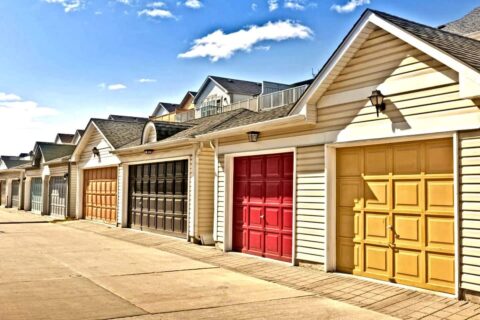


Cost of a local council garage typically ranges from £8 to £30 per week, depending on location, demand and whether you’re a council tenant. Prices may be higher for non-residents due to VAT, and some high-security areas can exceed £40 per week. Most garages offer low-cost storage or parking, but come with no electricity, simple locks, and rolling weekly contracts.
Renting a local council garage is one of the most budget-friendly ways to secure parking, protect your vehicle, or gain extra storage space. Across the UK, thousands of council-owned garages are available for residents and non-residents, often at far lower prices than private rental options. But one question almost every tenant asks before applying is: how much does it cost for a local council garage?
The answer is not entirely straightforward because each council sets its own rental prices, policies, waiting lists and priority rules. The cost can vary significantly based on location, demand, and whether you are a council tenant, housing association tenant, or a private renter. This comprehensive guide explains everything you need to know about council garage costs in 2025, including typical prices, extra charges, eligibility, waiting list times and tips for securing a garage quickly.
What Is a Local Council Garage?
A local council garage is a lock-up garage owned and managed by local authorities. These garages are usually located:
- In residential estates
- Near blocks of flats
- In rows of lock-ups
- In housing communities
- Behind or alongside neighbourhood streets
Their primary purpose is to provide affordable parking for residents, although anyone can usually apply, depending on local rules.
Most council garages are standard single-size units suitable for small to medium cars, motorcycles, bicycles, tools, or household storage. They are not typically appropriate for use as workshops, business operations, or living spaces, as local authorities strictly control their use.
How Much Does It Cost for a Local Council Garage?
The cost of renting a local council garage generally ranges between:
£8 to £30 per week
which equals
£32 to £120 per month
or
£384 to £1,440 per year
This range depends heavily on your local authority, whether you are a council tenant, and whether you live within the borough.
Typical Council Garage Prices Across the UK
To give you a clearer understanding, here’s a breakdown of common price ranges seen in 2025:
Council tenants:
- £8 – £18 per week
Private tenants or non-residents:
- £10 – £30 per week
Some councils charge more if you live outside the district, while others charge a flat fee for everyone. In high-demand urban areas, such as London boroughs, prices may exceed £40 per week, especially for secure garages with CCTV or gated access.
Why Are Prices Higher for Non-Residents?
Most councils offer lower garage rents to local authority tenants because they prioritise social housing residents. Non-residents do not contribute through council rent, so they are charged an additional, but still affordable, rate.
In some regions, non-resident rates include VAT, which slightly increases the total cost.
What Affects the Rental Price of a Council Garage?
Several factors influence how much a local council charges for garage rental.
Location
Garage prices vary dramatically by region. For example:
- Urban areas with high demand usually charge more
- Rural councils tend to offer cheaper rates
- Coastal towns sometimes have higher charges due to tourism pressures
- Large cities have long waiting lists and premium pricing
Local Demand
If there is a shortage of garages, councils may raise prices or restrict applications to residents only. Popular areas may have waiting lists of 6 months to 5 years.
Condition of the Garage
Well-maintained or recently refurbished garages often command higher rents.
These might include:
- New doors
- Modern roofing
- Fresh paint
- Improved lighting
- Secure locks
Security Features
Some council garages offer enhanced security, such as:
- Gated access
- Digital key fobs
- CCTV monitoring
- Lighting in communal areas
These features can increase the rental fee, but significantly improve peace of mind.
Size and Type of Garage
While most council garages are standard size, some councils offer:
- Over-height garages (for vans)
- Extra-wide garages
- Designated motorcycle lock-ups
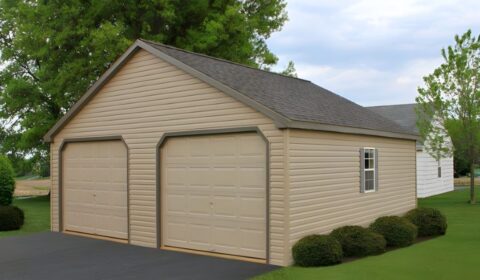
- Double garages
- Parking compounds or bays
Larger units will naturally cost more.
Are There Any Extra Charges?
Although weekly rental forms the main cost, there may be additional charges depending on your local council.
VAT for Non-Residents
Many councils charge VAT on garage rentals for applicants who are not council tenants. This increases costs by 20%.
Key or Fob Deposit
Some councils require a refundable deposit, typically:
- £20 – £60 per key
- £25 – £100 for electronic fobs
Lock Replacement or Repairs
If you lose your key or damage the lock, you may be charged:
- £40 – £120 depending on the lock type
Rent Increases
Most councils review garage rents annually. Rent increases typically range from:
- £0.50 – £2 per week
Late Payment Charges
If you fall behind on payments, your garage licence may be cancelled, and additional administration fees may apply.
Who Can Rent a Council Garage?
Eligibility varies by council, but most allow applications from:
- Council tenants
- Housing association tenants
- Private tenants
- Homeowners
- Local workers
- Nearby residents
However, priority is often given to:
- Disabled applicants
- Residents with no available street parking
- Council tenants living in flats
- People with mobility needs
Some councils restrict access for applicants with a history of rent arrears or antisocial behaviour.
What Are Council Garages Commonly Used For?
Despite being simple lock-ups, council garages are incredibly versatile.
Parking
Most people rent a garage to protect their vehicle from:
- Weather damage
- Theft
- Vandalism
- High insurance risk
Many insurance companies lower premiums when a car is kept in a garage.
Storage
Council garages are excellent for storing:
- Furniture
- Tools and DIY equipment
- Bikes and scooters
- Seasonal items
- Household clutter
- Business stock (subject to council rules)
Hobby Use
While most councils prohibit noisy or commercial activities, people often use garages quietly for:
- Car cleaning
- Non-industrial craft work
- Gardening storage
- Personal maintenance tasks
Activities such as mechanical work, welding, carpentry, or music practice are normally forbidden.
How to Apply for a Council Garage
Each council manages its own application system, but the process usually involves:
- Applying online or by phone
- Selecting preferred garage locations
- Joining the waiting list
- Providing your address and ID
- Waiting for a garage to become available
- Signing a garage licence agreement
- Paying your first rental instalment
Some councils limit the number of garages you can rent, while others allow multiple rentals.
How Long Is the Waiting List?
Waiting times depend almost entirely on demand in your area.
Typical waiting times:
- Low-demand rural areas: 1 to 6 weeks
- Mid-demand towns: 1 to 6 months
- High-demand cities: 6 months to 5 years
- London boroughs: often longer than 5 years
If you are flexible about location, you can secure a garage much sooner.
Advantages of Renting a Local Council Garage
Renting a council garage offers numerous benefits:
Lower Cost
Council garages are extremely affordable compared to private garages, which often cost £40– 150 per week.
Security and Peace of Mind
Garages provide extra protection against theft, vandalism and weather damage.
Increased Storage Space
They offer convenient and spacious storage that doesn’t clutter your home.
Flexible Terms
Most council garages come with rolling weekly or monthly contracts, making them easy to cancel.
No Long-Term Commitment
Tenants can usually leave with one week’s notice, making it ideal for short-term needs.
Reliability
Since garages are managed by local authorities, maintenance and administrative processes are structured and reliable.
Disadvantages to Consider
Although council garages offer great value, there are some limitations.
Condition Varies
Some garages are old and may require repairs.
Not All Garages Are Waterproof
Leaks, damp or poor ventilation can be issues in older units.
Not Suitable for Business Use
Councils strictly prohibit running a business from a garage.
Limited Power Access
Most council garages have no electricity, which limits their potential uses.
Potential Distance from Home
You may not get a garage on your exact street, depending on availability.
Tips for Getting a Council Garage Quickly
Here are effective strategies to speed up the process:
- Apply for multiple garage locations
- Join the waiting list early, even before you need a garage
- Check the council website regularly for vacancies
- Prioritise less-demanded estates or outer areas
- Accept the first available offer, then request a transfer later
- Respond quickly when the council contacts you
Being flexible significantly increases your chances.
Is Renting a Council Garage Worth It?
For most people, yes. Renting a council garage provides excellent value for money, offering secure parking and much-needed storage at a fraction of the cost of private rental.
It is especially worthwhile if:
- You struggle with on-street parking
- You want to protect your vehicle
- You need affordable, convenient storage
- You live in an area with high insurance premiums
- You don’t want to commit to costly long-term leases
Renting a council garage is also a great interim solution before investing in a private garage or home extension. If you later decide to design or build your own garage, a design company such as The Home Designer can help create a customised plan suited to your property.
Final Cost Summary
To recap, here are typical 2025 council garage rental prices:
- £8 – £30 per week
- £32 – £120 per month
- £384 – £1,440 per year
- Some areas exceed £40 per week for high-security garages
- VAT may apply for non-residents
- Key or fob deposits range from £20 to £100
While costs vary, the affordability, flexibility and convenience of council garages make them a popular choice for millions of UK residents.
Frequently Asked Questions
Do you pay more for a council garage if you are not a council tenant?
Yes. Many councils charge higher rates for non-tenants and often include VAT, which increases the overall weekly cost. Council tenants usually pay the lowest rents.
Are council garages cheaper than private garages?
In almost every case, yes. Council garages typically cost £32–£120 per month, while private garages can range from £150 to over £500 per month in busy urban areas.
Do council garages have electricity or lighting?
Most do not. The majority of council garages are unpowered lock-ups with no electricity or lighting, although a few modernised blocks may offer basic communal lighting outside units.
Can you use a council garage for storage instead of parking?
Yes. Council garages are commonly used for storage, including furniture, tools, bicycles and household items. However, you cannot use them for business, workshops or living space.